
Introduction:
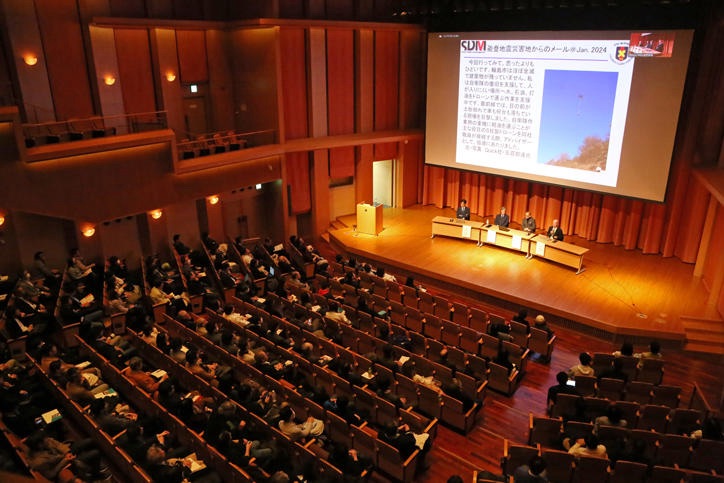
Participating as a panelist in the discussion marking the 15th anniversary of Keio University’s Graduate School of System Design and Management (SDM) was a true privilege. Following the visionary path laid by Yukichi Fukuzawa, SDM has emerged as a global leader in systems education. This anniversary provided a meaningful opportunity for the SDM community to reflect on its journey and engage in a dialogue about the future of systems education, encapsulated in the theme ‘Systems Education: Past and Future.’
News from Keio university
English SDM Hosts 15th Anniversary Event
Japanese SDM開設15年記念イベント開催
Insights from the Panel Discussion:
1. Trans-disciplinary Evolution of Systems Approach:
Systems thinking is expanding beyond its traditional domains of technical and social systems. Champions of systems thinking are applying it across diverse fields, including sports, human happiness, and enterprise development. However, continuous refinement of our understanding of systems and patterns remains crucial for driving tangible change.
2. Value of Integrating Systems X Design Thinking with Radical Collaboration:
In addressing wicked and complex problems of our time, a combination of design thinking and systems thinking is essential. Design thinking helps us generate out-of-the-box solutions, while systems thinking allows us to develop holistic solutions, maximizing the chances of success. Combining them for radical collaboration is critical for successful innovative solutions. The unique Systems X Design thinking methodology sets SDM apart in nurturing creativity and problem-solving.
3. Modern Leadership Skills:
Leadership roles are inevitable for those proficient in systems thinking. However, the evolving landscape of leadership demands adaptability. Today’s leaders have to empower and enable teams, communicate effectively with diverse groups, and build consensus among opposing parties. Effective leadership combines visionary thinking with empathy and resilience, fostering a culture of trust and collaboration. For all that systems thinking is essential but not sufficient.
4. Human Contribution in the AI Era:
In the age of artificial intelligence (AI), reevaluating human learning and contribution is crucial. SDM, alongside global education institutes, must explore how to leverage AI while preserving human capabilities for continued prosperity. Human attributes such as creativity, emotional intelligence, and ethical decision-making remain invaluable in navigating complex ethical and societal issues.

Final Thoughts:
As systems approach transcends disciplines, the future holds promise. Success hinges on integrating it with modern leadership and fostering radical collaboration. To tackle the wicked and complex problems of today, combine it with design thinking to build innovative and sustainable solutions. Amidst evolving landscapes, continual reflection on our role and leveraging systems thinking for impactful change is imperative.
Remember, “thinking is always within scope.”
Disclaimer: Generative AI has been utilized for proofreading and linguistic refinement. I firmly believe that generative AI is a valuable tool that enhances efficiency.
 Prafull Kasture